Moving Into a New Home? Here's How to Make It Smell Like Yours
Settlement day is one of the most exhilarating moments in the property journey. You've navigated the contracts, the searches, the finance, the negotiations — and now, finally, the keys are in your hand. The property is yours.
But walk into any newly settled home and you'll notice something: it doesn't feel like yours yet. The rooms echo. The walls are bare. And more than anything, it smells like someone else's life.
Scent is one of the least discussed but most powerful elements of what makes a home feel like home. It's also one of the easiest things to address — and one of the most effective ways to begin the process of making a new property your own.
Why smell matters more than you think
Of all the human senses, smell has the most direct connection to the brain's limbic system — the region responsible for emotion and memory. This is why certain scents trigger immediate, involuntary associations: the smell of a grandmother's kitchen, a hotel lobby you visited years ago, or a particular combination of wood and clean linen that you've always found calming.
When you move into a new home, you're essentially starting a blank olfactory slate. The scent history of the previous occupants — their cooking, their cleaning products, their lifestyle — gradually fades. What you introduce in those first weeks begins to form the sensory identity of the space.
Scent is the fastest route from 'a property' to 'my home.' It works on a level that furniture and paint colours simply can't reach.
This isn't just anecdotal. Research in environmental psychology consistently finds that perceived air quality and scent profile are among the strongest predictors of how 'comfortable' and 'welcoming' people rate interior spaces — often outweighing visual factors like lighting and colour.
The practical approach: room by room
Not every room requires the same approach. Different spaces benefit from different fragrance profiles, and getting this right makes the whole home feel more considered.
Living areas and open-plan spaces benefit from clean, versatile scents that don't compete with cooking aromas or feel too intimate. Fresh linens, light musks, soft woods and subtle florals all work well here. These are the scents that read as 'welcoming' to guests while still feeling personal.
Bedrooms are where you want scent to support rest and relaxation. Warmer, softer profiles — vanilla, sandalwood, gentle jasmine — tend to work better than sharp citrus or strong florals, which can be stimulating rather than calming.
Bathrooms and laundries respond well to clean, aquatic or citrus-forward scents that reinforce a sense of freshness without competing with cleaning products.
Entrance halls are the first thing you and every guest experiences. This is where a signature scent — something that becomes identifiably 'your home' — earns its keep most.
Choosing the right format
Home fragrance comes in several formats, each with different use cases. Candles create atmosphere but require supervision and don't work when you're out of the house. Diffusers provide a continuous low-level scent but can become 'nose-blind' after a while — meaning you stop noticing them. Reed diffusers are consistent but slow to build.
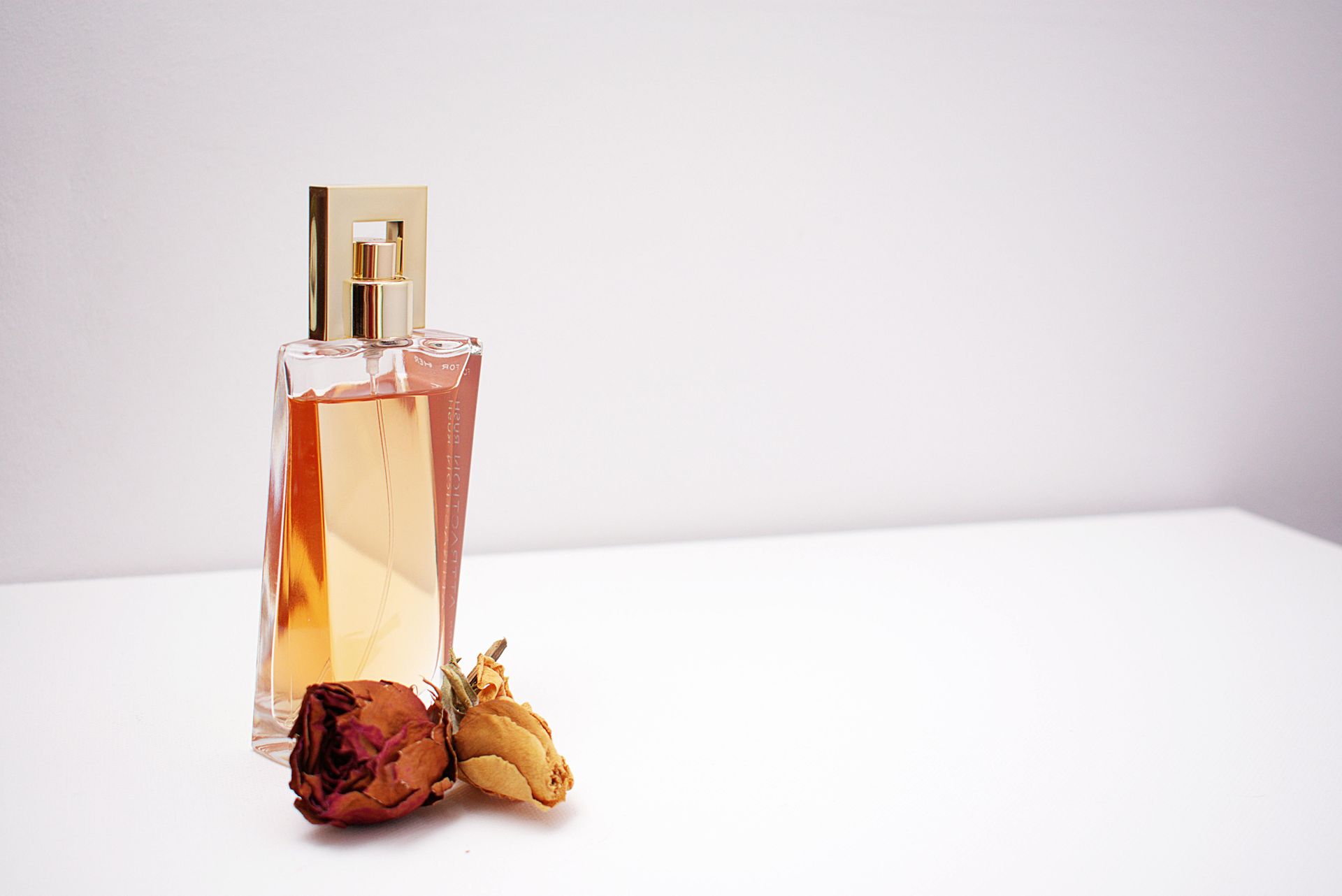
Room sprays offer something the others don't: immediacy and control. A few spritzes before guests arrive, when you get home from work, or simply when a room needs refreshing gives you instant results without any commitment to a single ongoing scent. They're also the most practical option during the moving-in period, when you're still figuring out what works where.
For Sydney homeowners looking for quality room fragrance at an accessible price point, home fragrance Sydney brand Scent Room produces a range of luxury room sprays across every fragrance family — from fresh and clean to warm and woody. The hotel-inspired range, which recreates the signature scents of properties like the Park Hyatt, Shangri-La and Westin, is particularly popular with new homeowners who want their space to feel premium from day one.
The one thing most new homeowners overlook
In the rush of settlement — the removalists, the flat-pack furniture, the painting, the choosing of appliances — home fragrance rarely makes the priority list. It should.
The reason is simple: scent forms habits. The smell you introduce to your home in those first weeks becomes the smell your brain associates with 'home.' Guests will associate it with visiting you. You'll associate it with arriving home after a long day. It becomes part of the sensory fabric of your life in that property.
That's a small thing that turns out to be quite a significant thing. And unlike a kitchen renovation or a new sofa, it costs almost nothing to get right.
A final note on timing
The best time to establish your home's scent profile is before the furniture goes in — when the rooms are empty and the fragrance can circulate freely and begin to absorb into soft furnishings and surfaces as they arrive. If you've already moved in, it's not too late. A few consistent weeks of use in each room will begin to build the olfactory identity you're after.
Settlement is the legal transfer of a property. Making it home is the part that comes after — and scent is one of the most overlooked tools you have to do it.
AUTHOR BIO
This article was contributed by a lifestyle and property writer covering home design, interior styling and the NSW property market.